Local Water Quality Guide
Understand what is in the tap water where you live. Find your state or region on the map, see which contaminants are common locally and learn how to read your utility's report before choosing a filter.
Interactive Water Quality Map
Explore water conditions across North America. Click any state or province on the map to see hardness levels, PFAS risk, common contaminants, water sources, and tailored filter recommendations for that region.
Click any region — details appear in the panel on the right.
Water Quality by Region
Common water quality issues vary significantly by geographic region due to differences in source water, geology, industrial activity, and agricultural practices.
Primary Issues:
Key Contaminants:
Lead
Old service lines in cities like NYC, Newark, Pittsburgh
PFAS
Manufacturing hubs and military bases
THMs
Chlorinated surface water treatment
Recommended Filters for the Northeast
- Why we recommend it
NSF 53 certified for lead from aging service lines.
- Why we recommend it
Removes 99% of lead, PFAS, and disinfection byproducts.
- Why we recommend it
Targets chlorine, THMs, and lead at the tap.
City Water Hardness Comparison
Phoenix, AZ
18 GPG (308 PPM)
Las Vegas, NV
16 GPG (274 PPM)
Albuquerque, NM
14 GPG (239 PPM)
Calgary, AB
14 GPG (239 PPM)
San Antonio, TX
13 GPG (222 PPM)
Edmonton, AB
10 GPG (171 PPM)
Dallas, TX
10 GPG (171 PPM)
Houston, TX
9 GPG (154 PPM)
Los Angeles, CA
9 GPG (154 PPM)
Tulsa, OK
8 GPG (137 PPM)
Understanding Local Water Quality
Source Matters
Quality varies by source water, treatment methods, infrastructure age, and regional industry. EPA minimums don't tell the whole story.
Beyond the CCR
Consumer Confidence Reports skip emerging contaminants like PFAS and infrastructure-borne lead from your own pipes.
Targeted Filtration
Match a filtration system to your region's specific risks — not a one-size-fits-all approach.
Water quality varies dramatically across the United States based on source water (rivers, lakes, aquifers), treatment methods, infrastructure age, and regional industrial activity. While the EPA sets minimum safety standards through the Safe Drinking Water Act, these regulations don't tell the whole story about what's flowing through your tap. This guide breaks down water quality by region, identifies common contaminants in your area, and recommends appropriate water filtration solutions based on your specific contamination risks.
Common Contaminants by Water Source
Your source water shapes which contaminants are likely present and which filter actually works.
Surface Water
Rivers & Lakes
Seattle • Chicago • NYC
Common Contaminants
- Chlorine / Chloramine
- THMs & HAAs (DBPs)
- Microplastics
- Pesticides & Nitrates
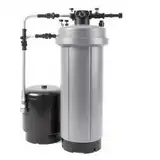
1 million gallon carbon plus UV system built for surface water supplies. Kills pathogens and strips chlorine, DBPs, and pesticides.
Groundwater
Aquifers & Wells
Florida • Texas • Southwest
Common Contaminants
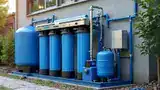
Combined filter plus softener tuned for well water. Removes arsenic, iron, hardness, and PFAS in one system.
Mixed Source
Blended Supplies
LA • Denver • Phoenix
Common Contaminants
- Seasonal taste shifts
- Variable hardness
- Lead (legacy pipes)
- DBPs + minerals mix
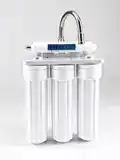
99% removal of lead, PFAS, and DBPs. The most reliable safeguard against mixed source seasonal shifts.
Vulnerable Populations
Some groups face higher risk from contaminants even at legally "safe" levels. Match the protection to the household.
Infants & Young Children
Key Risks
- Lead exposure
- Nitrates (blue baby)
- Bacteria in formula prep
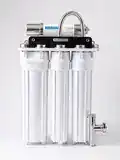
NSF 53 certified for lead, cysts, and 77 other contaminants at the tap. Safe for baby formula and daily drinking.
Pregnant Women
Key Risks
- PFAS (placental crossing)
- THMs (disinfection byproducts)
- Lead → birth weight
Removes 99% of PFAS, lead, and disinfection byproducts. The strongest protection for mother and baby.
Immunocompromised
Key Risks
- Cryptosporidium
- Giardia
- Biofilm bacteria
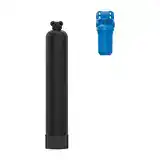
Four stage carbon plus KDF with sub micron filtration. CDC aligned protection against Crypto, Giardia, and biofilm bacteria.
Infrastructure Age & Water Safety
America's water pipes earned a C- from the ASCE in 2025. Your home's age is one of the biggest predictors of what's actually in your tap.
Check Your Home's Build Year
Lead supply lines likely. Test immediately, install POE + POU filtration.
NSF 53 Under-Sink + Whole-HouseLead solder in copper pipes is common. Flush taps for 30 sec & filter at point of use.
Faucet Filter (NSF 53)"Lead-free" fixtures pre-2014 may still contain up to 8% lead. Sediment & biofilm still apply.
Whole-House Sediment + CarbonFree Habit That Cuts Lead by Up to 90%
Run your cold tap for 30 seconds to 2 minutes before drinking — especially after water has been sitting overnight. Pair with a certified filter for full protection. Renters can use countertop or pitcher options that need no installation.
Test First, Then Filter
Test results tell you exactly which filter you need. Pick the tier that matches your situation.
Tap Score Essential
Essential Lab Test
$119
- Lead, Copper, Iron
- Bacteria (Coliform)
- Nitrates / Nitrites
- 60+ contaminants
Best for: Annual testing, basic well screening
Tap Score Advanced
Advanced Lab Test
$290
- Heavy Metals (As, Cr-6)
- Pesticides & VOCs
- PFAS (47 compounds)
- 120+ contaminants
Best for: Wells, PFAS concerns, buying decisions
PFAS-Specific Add-On
PFAS Lab Panel
$150–250
- PFOA / PFOS
- GenX Chemicals
- Total PFAS load
- EPA Method 537.1
Best for: Near military, airports, industry
When to Re-Test
Frequently Asked Questions
Find the Right Filter for Your Water Quality
Use our interactive tools to check your local water quality and get personalized filter recommendations based on your specific contamination risks.
Related Articles
Water Filter Buying Guide
Complete guide to choosing the right filter
More on How Water Filters Work
Understanding filtration technologies explained
Deep dive — Water Filter Cost Comparison
Annual costs across all filter types
Walkthrough — Water Testing Kits Guide
Test your water before buying a filter
Maintenance guide — Filter Replacement Guide
When and how to replace filter cartridges
More on Water Filter Health Benefits
Health advantages of filtered water