What nitrite is and where it comes from
Nitrite is a form of nitrogen that sits between ammonia and nitrate. In oxygen-rich water it usually turns into nitrate quickly, which is why most wells show nitrate but little nitrite.
- Septic systems and manure near a well are the most common sources.
- Surface water leaking past a damaged well cap or casing can carry it in.
- City water disinfected with chloramine can form nitrite in pipes and tanks when bacteria break down the ammonia.
Nitrite almost always travels with nitrate. Read our full nitrates guide for sources, timing and baby safety.
Health effects and the EPA limit
- EPA limit: 1 mg/L nitrite as nitrogen; total nitrate plus nitrite must stay under 10 mg/L. See the EPA drinking water regulations.
- Infants: nitrite turns hemoglobin into methemoglobin, which can't carry oxygen. Learn the warning signs in blue baby syndrome.
- Who else is sensitive: pregnant people and people with certain blood disorders should be cautious too.
How to test for nitrite
- Use a state-certified lab and ask for nitrate and nitrite reported as nitrogen.
- Add total coliform and E. coli. A positive bacteria test alongside nitrite points to a source problem.
- Inspect the well for a loose cap, cracked casing or pooling water nearby.
- Test the treated tap after any repair or new filter.
Strips can give a quick read, but confirm a high result with a lab. Start with the EPA private wells page and our water test kits guide.
RO systems to compare for nitrite
These under-sink RO systems treat drinking and cooking water. Fix any well or septic problem first, then confirm the treated water with a lab test.
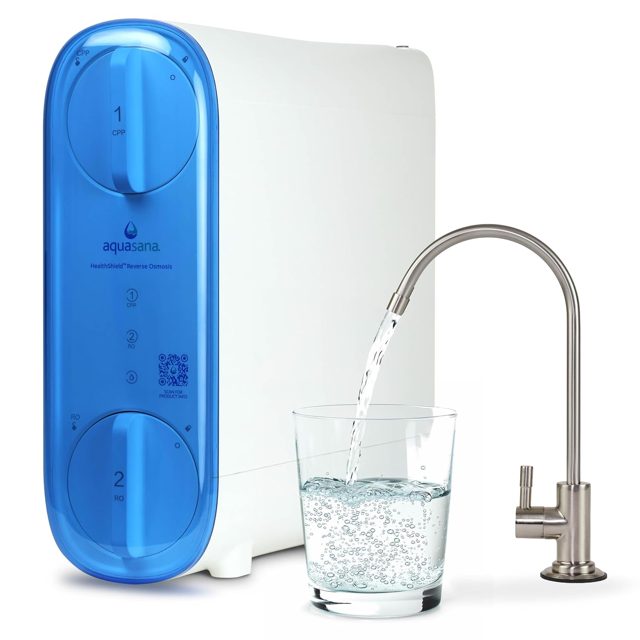
Aquasana Tankless Reverse Osmosis System (800 GPD)
Aquasana Tankless Reverse Osmosis System (800 GPD)
Aquasana's performance data sheet for this tankless model (AQ-HSRO800) lists 85.3% nitrate/nitrite reduction under NSF/ANSI 58 from a 30 mg/L test level. The sheet rates it for water with no more than 3 mg/L nitrite and 27 mg/L nitrate, measured as nitrogen.
Compare sizing, treatment options and ongoing costs in our best reverse osmosis systems guide.
iSpring RCC7AK 6-Stage RO System
iSpring RCC7AK 6-Stage RO System
A lower-cost under-sink RO system with a remineralization stage. NSF's listing for this model names TDS reduction, not nitrite, so treat any nitrite result as unconfirmed and lab-test the RO tap after installing.
Compare sizing, treatment options and ongoing costs in our best reverse osmosis systems guide.
A filter is not a fix for a contaminated well. If nitrite shows up with bacteria, use bottled or tested water for drinking and formula, repair the source, and shock chlorinate the well before relying on any filter.
Nitrite treatment options compared
| Method | Treats | Watch out for |
|---|---|---|
| Under-sink reverse osmosis | Drinking and cooking water | Choose a model whose listing names nitrate/nitrite |
| Anion exchange | Whole house | Sulfate competes; needs regular regeneration |
| Chlorination | Turns nitrite into nitrate | Does not lower total nitrogen |
| Fixing the source | Septic, manure or well-cap problems | Often the real long-term fix on a well |
| Carbon filters and softeners | Not designed for nitrite | Only trust a listing that names it |
| Boiling | Does not remove nitrite | Concentrates it as water evaporates |
See the full step-by-step plan in how to remove nitrates from water, which covers nitrite as well.
Bottom line
Nitrite is a warning sign as much as a contaminant. Test it with nitrate and bacteria, fix the source, and treat drinking water with an RO system that lists nitrate/nitrite reduction. Compare rankings in our best reverse osmosis systems guide and see the other common water contaminants.