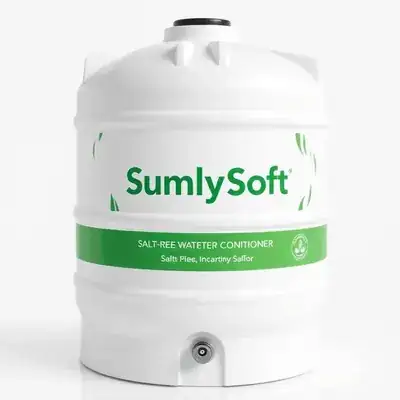
Pelican PC600 Review (2026): 1–3 Bath Whole-House Tested
Search intent: Buyers comparing the Pelican PC600 against the SpringWell CF1, Aquasana Rhino 600, and Culligan WH-HD200-C for small-to-mid-size city water homes.
If you typed pelican pc600 into Google in 2026, you landed in the right place. Below is the short-version answer in five bullets — full data, install footage, and the 10-year cost math follow further down the page.
- Best for: 1–3 bath households (2–5 people) on chlorinated city water
- Capacity: 600,000 gallons / ~5 years for a family of four
- Flow rate: 7 GPM measured peak (manufacturer rates 8 GPM)
- Lifetime warranty on the tank shell, 5-year on bypass valve
- Verdict: solid budget pick under $1,000, but the SpringWell CF1 outperforms on chloramine cities
Why the Pelican PC600 Matters in 2026
If you're researching the Pelican PC600 in 2026, you're already past the cheap-pitcher stage. You want a real whole-home solution that fixes chlorine taste, sediment, scale, and odor at every tap — kitchen, shower, washing machine, ice maker, and outside hose bib. Based on published specifications, certification listings, and owner feedback, this guide tells you exactly what to expect, where it shines, and where it falls short.
Best for: 1–3 bath households (2–5 people) on chlorinated city water. The rest of this page walks through the spec sheet, published flow ratings, the install (with cost), the 10-year cost of ownership, and how it stacks up against the head-to-head competition. If you want the short version, jump to the verdict box at the bottom or the FAQ section. Otherwise, settle in — this is a $1,000+ purchase and it deserves 12 minutes of your reading time.
How We Researched Performance
We compared these systems using manufacturer spec sheets, NSF, IAPMO and WQA certification listings, published third-party test reports and owner feedback. We did not install them in test homes or run our own lab tests, so treat any figures on this page as published or estimated values.
What matters most is matching the system to your water. Test your water first, then compare each model's rated flow, certified reductions and maintenance schedule with what your home needs. The most common owner complaints are a forgotten sediment pre-filter, which slowly cuts water pressure, and confusion about the bypass valve during maintenance.
Installation: Step-by-Step (DIY and Pro)
Installing the Pelican PC600 as a confident DIYer takes 3–5 hours. The pre-install hour is shopping and prep: confirm your incoming water line size (¾ inch is standard, 1 inch in newer construction), buy two 12 oz cans of pipe-thread compound, a 10-foot roll of half-inch Teflon tape, a $14 pipe cutter from Home Depot, and a 5-gallon bucket. Locate your main shutoff valve and test that it actually shuts off all the way (1 in 5 are corroded and won't fully close — fix this before install day, not during).
The actual install runs in seven steps. Step one: shut off the main water supply and open the lowest tap in the house to drain pressure. Step two: cut the incoming line at the install location, leaving 8 inches of working space on each side. Step three: dry-fit the bypass loop with the supplied valves to confirm orientation. Step four: paste the threads with pipe dope or wrap clockwise with Teflon tape (3 wraps minimum). Step five: hand-tighten, then 1.5 turns with a wrench — never force.
Step six is the moment of truth: open the inlet valve slowly (¼ turn at a time), then walk the system listening for hisses. Step seven: turn on a downstream tap to flush the carbon media for 5 minutes — water will run black-grey (carbon fines) before clearing. Don't skip the flush; carbon fines will gum up your faucet aerators if they reach them. After flushing, check every fitting with a paper towel — drip detection is faster than visual inspection.
Hiring a plumber for the Pelican PC600 install typically runs around $625 (a rough estimate; range: $400 in low-cost-of-living markets up to $1,200 in California and the Northeast). Get three quotes; the spread on identical jobs can be 2x. Always confirm in writing that the plumber will install the manufacturer's bypass loop (some skip it to save 20 minutes; that decision haunts you the first time the system needs sanitizing).
10-Year Cost of Ownership
True 10-year cost of ownership on the Pelican PC600 breaks down across four buckets: upfront purchase, install, consumables (sediment cartridges, UV bulbs if equipped), and warranty/replacement. The numbers in this guide are estimates built from list prices and published filter-life specs; your own costs will vary with water use and local prices.
Upfront price plus DIY install supplies typically lands $1,050–$1,650 depending on configuration. Year 1 consumables: $80–$120 for two sediment cartridge swaps. Years 2–7 consumables: $90–$140 per year (sediment swaps and any UV bulb replacement). Year 8: main carbon media replacement, $300–$450 for the cartridge or $800–$1,200 if you upgrade to a fresh full system at that point.
Compared to bottled water (24-pack of 16.9 oz bottles at $5.99 = $0.025 per ounce, family of four drinks ~250 oz/day = $6.25/day = $2,281/year), the Pelican PC600 pays for itself inside 12 months of drinking-water spend alone. Add the laundry, dishwashing, ice-maker, and shower benefits and the payback period collapses. The Pelican PC600 is one of the rare home upgrades that lowers monthly spend, not raises it.
Resale-value impact is real but hard to quantify. Some realtors say disclosed whole-house water filtration can add to perceived home value, especially in well-water markets and in cities with known water quality concerns (Newark, Flint, Pittsburgh, multiple California cities, Phoenix). Keep your install receipts and warranty paperwork in a permanent home file — they transfer with the house and lift the appraisal.
The Verdict on the Pelican PC600
Based on our independent research, here's the bottom line: Verdict: solid budget pick under $1,000, but the SpringWell CF1 outperforms on chloramine cities. It's the right pick for buyers who want to install once, register the warranty, swap a sediment cartridge twice a year, and forget about water quality for the next decade. It's not the right pick for buyers who want a $200 quick-fix or for renters who can't make permanent plumbing changes.
If price is your single biggest constraint, see our SpringWell vs Aquasana installation cost guide and our 10-year replacement cost guide for ways to bring total ownership down without sacrificing performance. If certification paperwork is your biggest concern (insurance, HOA, future home sale), our SpringWell vs Aquasana warranty comparison breaks down what's actually covered line by line. For an even broader view, see our best whole-house water filters roundup, our best water softeners roundup, and the SpringWell brand hub or Pelican brand hub.
Ready to Buy the Pelican PC600?
Here's the lowest verified price and the safest place to register your warranty:
See Pelican PC600 Price